An increasing number of Vietnamese businesses are recognizing that emissions reduction is no longer an optional sustainability initiative—it has become a strategic requirement for corporate governance and business operations. From greenhouse gas (GHG) inventory regulations and ESG disclosure requirements to the sustainability standards imposed by global supply chains, these evolving expectations are driving companies to establish robust capabilities in sustainable governance.
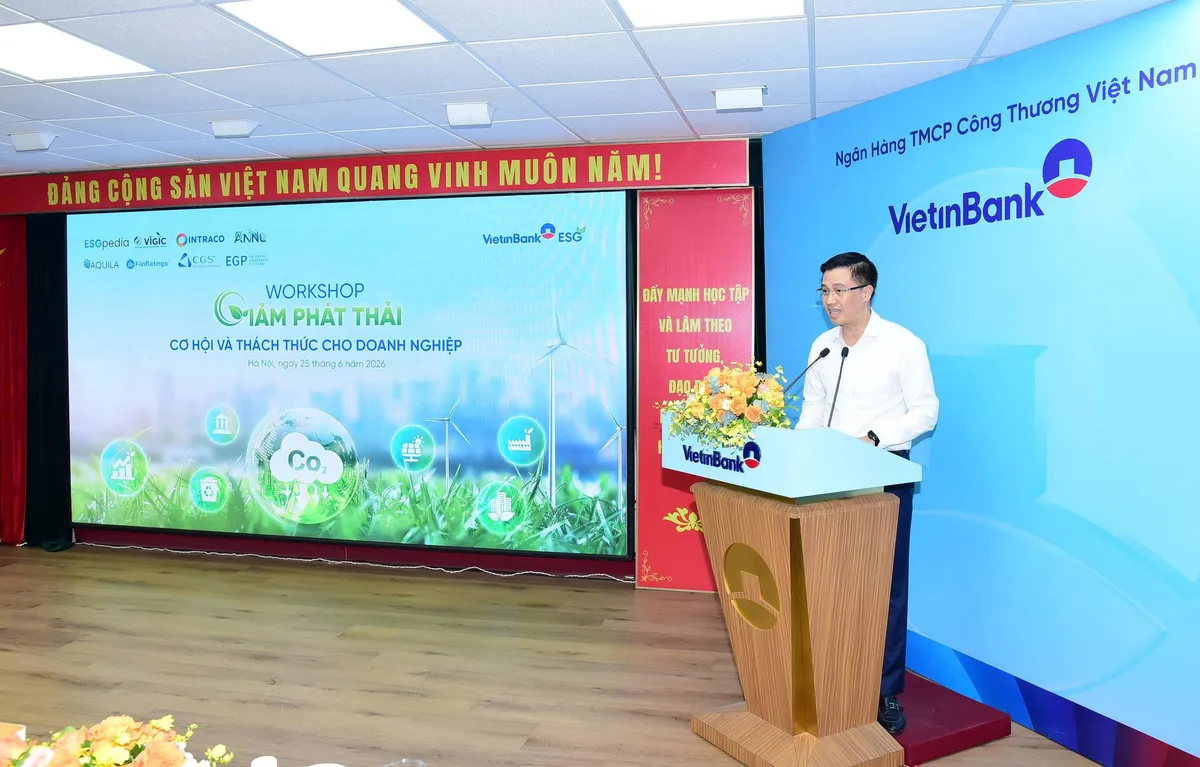
These topics were at the heart of the Workshop "Emission Reduction – Opportunities and Challenges for Businesses", organized by VietinBank with the participation of numerous businesses from Northern Vietnam, alongside experts and organizations specializing in ESG, greenhouse gas accounting, carbon credits, and sustainable finance.
As a provider of ESG reporting data management solutions, EGP Vietnam participated in the event to share its perspective on building reliable emissions data systems while supporting businesses in digitizing emissions management and meeting increasingly stringent ESG requirements.
Data: The Foundation of Every Decarbonization Strategy
One of the workshop's key sessions, "New Requirements for Greenhouse Gas Inventories – What Should Businesses Be Aware Of?", was presented by Mr. Nguyen Dinh Thai, CEO of EGP Vietnam.

Mr. Nguyen Dinh Thai, CEO of EGP Vietnam, shared insights into the latest greenhouse gas inventory requirements for businesses.
The presentation highlighted recent developments in Vietnam's regulatory framework for greenhouse gas inventories while also examining emerging international requirements related to emissions transparency and ESG reporting.
According to EGP Vietnam, while many businesses now understand the importance of reducing emissions, their greatest challenge is not defining sustainability ambitions but establishing an accurate, comprehensive, and verifiable emissions data management system.
The key message throughout the session was: "Businesses need to establish reliable emissions data systems before setting ESG or Net Zero targets."
Emissions data serves not only compliance and reporting purposes but also provides the foundation for evaluating operational performance, identifying major emission sources, developing decarbonization roadmaps, and meeting the transparency expectations of customers, investors, and financial institutions.
Green Transformation Begins with Digitalizing Emissions Data
Through its experience supporting businesses across manufacturing, energy, logistics, and real estate sectors, EGP Vietnam has observed that many organizations still manage energy consumption and emissions data manually or across fragmented departmental systems. As a result, data consolidation, verification, and reporting often become time-consuming and increasingly difficult as business operations expand.

Experts at the workshop discussed the opportunities and challenges businesses face in building reliable emissions data systems
Experts at the workshop emphasized that companies do not need to establish a fully developed emissions management system from the outset. Instead, they can begin by focusing on their most material emission sources, then gradually expand the scope of emissions accounting while continuously strengthening their data governance processes over time.
This phased approach enables businesses to build a solid data foundation early, gain practical experience through successive reporting cycles, and progressively enhance the quality of their sustainability governance, making it a practical and effective strategy for most companies at the current stage of their transition.
Once emissions data is digitized and effectively governed, businesses gain a solid foundation for conducting periodic greenhouse gas inventories, monitoring emissions reduction progress, meeting assurance and audit requirements, and implementing sustainability strategies in a practical and measurable manner.
Technology Makes ESG Implementation More Practical
Beyond regulatory updates, the workshop also provided practical discussions on how businesses can effectively implement ESG initiatives. Technology plays a critical role in enabling organizations to transition from manual management to data-driven governance.
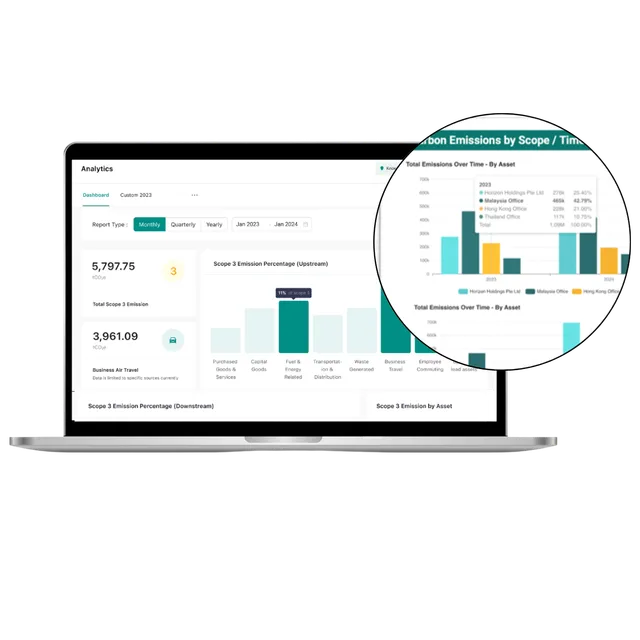
Digital platforms allow businesses to automate data collection, calculate emissions in accordance with international standards, generate ESG reports, and monitor environmental performance indicators in real time.
These capabilities also help organizations meet increasingly demanding sustainability requirements from global supply chain partners while supporting eligibility for sustainable finance mechanisms such as Sustainability-Linked Loans (SLLs).
The Carbon Market Creates New Requirements for Data Governance
In addition to the discussions held during the workshop, June 29, 2026 marked another significant milestone as Vietnam officially launched its domestic carbon trading exchange under the Government's national roadmap.

Official Launch Ceremony of Vietnam's Domestic Carbon Exchange (Source: VnEconomy)
The establishment of the carbon market not only creates a structured mechanism for carbon credit trading but also raises expectations regarding the transparency, traceability, and credibility of corporate emissions data.
Against this backdrop, businesses should begin preparing by strengthening their greenhouse gas inventory systems, standardizing emissions data, and building robust ESG governance frameworks to participate effectively in future carbon market mechanisms.
From EGP Vietnam's perspective, now is the time for organizations to recognize emissions data as a strategic management asset rather than merely a compliance reporting requirement.
EGP Vietnam: Supporting Businesses on Their Green Transformation Journey
The VietinBank workshop demonstrated the growing demand among businesses for practical solutions that can be implemented immediately—from greenhouse gas accounting and emissions data management to preparing for emerging carbon market mechanisms and sustainable finance opportunities.
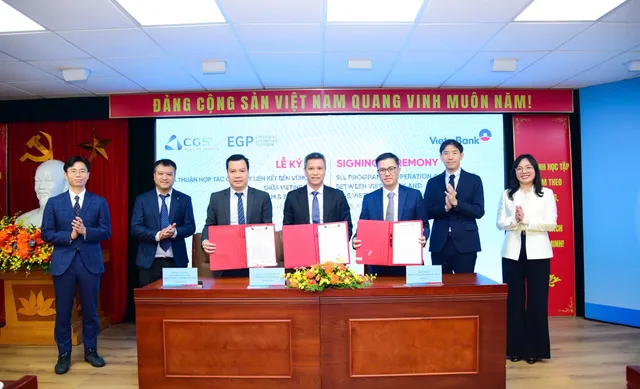
Drawing on its experience in delivering ESG reporting data management solutions, EGP Vietnam will continue working alongside VietinBank, CGS Vietnam, and other partners to help businesses establish robust emissions data infrastructures, digitalize ESG governance processes, and progressively achieve their sustainability objectives.
We believe that green transformation is not merely about regulatory compliance—it is an opportunity for businesses to strengthen corporate governance, improve operational efficiency, and enhance long-term competitiveness in a low-carbon economy.